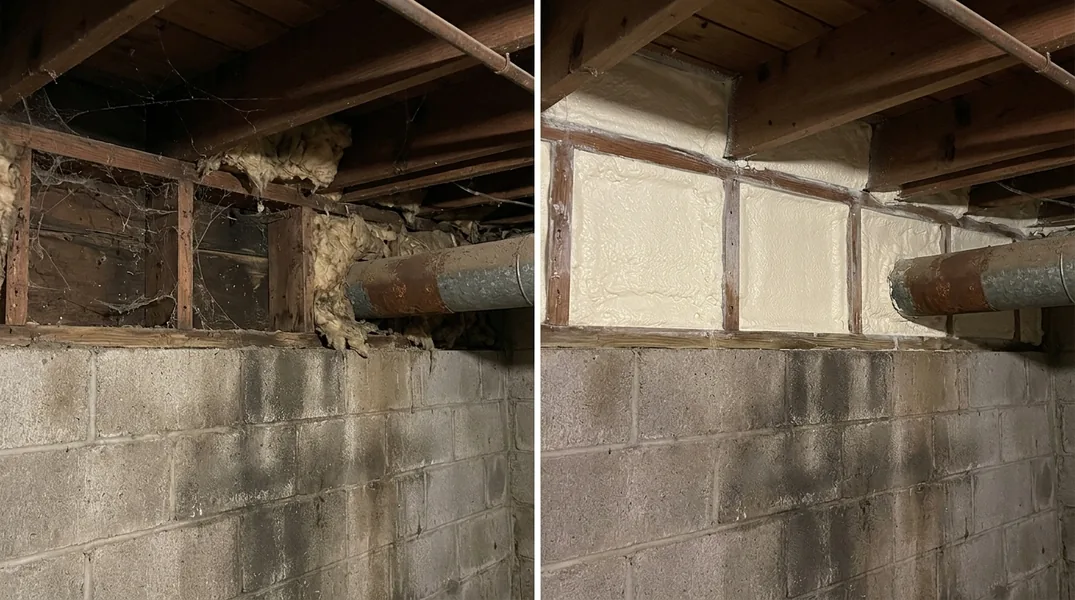
Is Spray Foam Insulation Worth It? The Atlanta Homeowner's Reality
When homeowners in Atlanta consider upgrading their insulation, spray foam often comes up as a modern solution. But is it actually worth the investment? The answer depends on your specific situation, your home's condition, and what you're hoping to achieve with better insulation.
Spray foam insulation has gained popularity over the past decade for good reasons: it seals air leaks, provides excellent thermal resistance, and can reduce energy bills significantly. However, like any building material, it comes with both advantages and legitimate concerns that deserve careful consideration. This guide walks you through the real facts so you can make an informed decision about whether Attic Spray Foam Insulation is right for your home.
Spray Foam Insulation Pros and Cons: What You Need to Know
The advantages of spray foam insulation are substantial. First, it creates an air-tight seal that traditional fiberglass batts simply cannot match. This means fewer drafts, more consistent indoor temperatures, and lower heating and cooling costs year-round. In Atlanta's humid subtropical climate, where air conditioning runs much of the year, this efficiency translates directly to savings on your energy bills. Spray foam also prevents moisture infiltration, which is particularly valuable in our region where humidity can lead to mold growth and wood rot if left unchecked.
Another significant advantage is durability. Spray foam doesn't settle, compress, or degrade the way fiberglass does over time. Once properly installed, it maintains its insulating value for decades. It also fills irregular spaces and cavities that would be difficult or impossible to insulate with traditional methods, making it ideal for attics with complex framing, around pipes, and in rim joists.
On the downside, spray foam insulation carries a higher upfront cost than conventional insulation materials. The installation requires specialized equipment and trained technicians, which increases labor expenses. Additionally, some homeowners have concerns about the material itself, including potential off-gassing and the need for proper ventilation during and after installation. There's also the question of whether the energy savings justify the premium price in all situations, particularly if your home already has adequate insulation in place.
Is Spray Foam Insulation Safe? Addressing Off-Gassing and Installation Concerns
Safety is a legitimate question when considering any building material for your home. When it comes to spray foam, the primary concern centers on off-gassing and chemical exposure. During installation, spray foam is created by mixing two chemical components that react and expand. This process releases volatile organic compounds (VOCs) into the air. However, it's important to understand that off-gassing is primarily a concern during the application process itself, not necessarily after the foam has fully cured.
Professional spray foam installers follow strict safety protocols to minimize exposure. The work area must be properly ventilated, workers wear protective equipment, and homeowners should vacate the premises during application and for a period afterward as specified by the installer. Once the foam has fully cured, typically within 24 to 48 hours, off-gassing is minimal. The foam itself becomes inert and poses no ongoing health risk when installed correctly and sealed properly within your home's envelope.
That said, improper installation can create problems. If spray foam is applied in areas where it can off-gas into living spaces, or if the installation is incomplete or damaged, issues may arise. This is why choosing a qualified, experienced contractor is absolutely critical. When you're ready to move forward, contact Atlanta Spray Foam Insulation at (678) 931-8735 to discuss your project with professionals who understand proper installation standards and safety protocols.
Common Spray Foam Insulation Problems: What Can Go Wrong
Understanding potential problems with spray foam helps you make a more informed decision and choose the right contractor. One of the most common issues is improper installation. If the foam isn't applied at the correct thickness or if application is rushed, it won't achieve its intended R-value (thermal resistance rating). Gaps in coverage defeat the purpose of the material, and over-application in some areas while under-applying in others creates inconsistent performance.
Another concern involves moisture and ventilation. Closed Cell Spray Foam Insulation is moisture-resistant and can act as a vapor barrier, which is beneficial in most cases but requires careful consideration in certain climates and building designs. Open Cell Spray Foam Insulation, while more affordable, is permeable and requires proper ventilation to prevent moisture accumulation. If your attic isn't properly ventilated or if the foam installation interferes with necessary air flow, you could develop condensation problems that lead to mold or structural damage.
Chemical sensitivity is rare but real for some individuals. While the foam itself becomes inert after curing, the installation process uses harsh chemicals. People with chemical sensitivities, asthma, or respiratory conditions should discuss their concerns with their doctor before proceeding with spray foam installation. Additionally, if you ever need to renovate or repair areas with spray foam, the material can be difficult and expensive to remove, so this is a long-term commitment worth thinking through carefully.
Attic Spray Foam Insulation Cost in Atlanta: What to Budget
Cost is often the deciding factor for homeowners, so let's talk honestly about what spray foam insulation actually costs. The pricing for spray foam typically ranges from $1.50 to $3.50 per board foot, depending on the type of foam, the complexity of your attic, and current market conditions. For a typical 1,500 square foot attic, you might expect to invest anywhere from $3,000 to $8,000 or more, depending on the depth of insulation needed and the specific challenges of your space.
This higher cost compared to fiberglass batts (which run $0.50 to $1.50 per square foot) is offset by superior performance and durability. Many homeowners recoup their investment through energy savings within 5 to 10 years, after which the savings continue. In Atlanta's climate, where cooling costs dominate, the payback period can be shorter than in colder regions. Additionally, improved comfort, better air quality due to fewer drafts, and the elimination of settling insulation add value beyond just energy bills.
To understand what your specific project might cost, request a free estimate from Atlanta Spray Foam Insulation. We'll assess your attic, discuss your goals, and provide transparent pricing based on your actual needs rather than generic estimates.
Choosing Between Closed Cell and Open Cell: Which Type Is Right for You
Not all spray foam is created equal, and understanding the difference between the two main types helps you choose the best option for your Atlanta home. Closed cell foam has a higher R-value per inch (typically R-6 to R-7), is moisture-resistant, and provides structural support. It's the premium option and costs more, but it's ideal for areas prone to moisture or where space is limited and you need maximum insulation value in a thin layer. Closed cell foam works particularly well in attics where you want to create a complete air and moisture barrier.
Open cell foam is less dense, has a lower R-value per inch (around R-3.5), but is more affordable and still provides excellent air sealing. It's permeable to moisture, which means your attic can still breathe, and it's often preferred in applications where vapor permeability is desirable. For many Atlanta homeowners, Open Cell Spray Foam Insulation offers a good balance of performance and cost.
There's also Wall & Injection Foam Insulation for existing walls where you can't access the cavity from inside. Each type has specific applications, and the right choice depends on your home's construction, your climate concerns, and your budget. During a consultation, our team can recommend the best option for your situation.
Making Your Final Decision: Is Spray Foam Right for Your Home
After weighing the pros and cons, considering safety, understanding potential problems, and evaluating cost, you're in a better position to decide whether spray foam insulation makes sense for your home. If your attic is poorly insulated, you're experiencing high energy bills, you have air leaks or moisture concerns, and you plan to stay in your home long enough to recoup the investment, spray foam is likely worth it. If your insulation is already adequate and your energy bills are reasonable, the return on investment may be less compelling.
The key is getting professional guidance tailored to your specific situation. Every home is different, and what works perfectly for one house might not be the optimal choice for another. Atlanta Spray Foam Insulation has been serving homeowners throughout Atlanta and the surrounding areas, helping them understand their options and make decisions that improve comfort and reduce costs. We're happy to answer your questions, address your concerns, and help you understand whether spray foam insulation is worth it for your home. Call us at (678) 931-8735 or request a free estimate today to get started.
Looking for a professional spray foam insulation contractor in Atlanta? Atlanta Spray Foam Insulation responds fast for all your spray foam insulation needs.
Get a Free Quote